

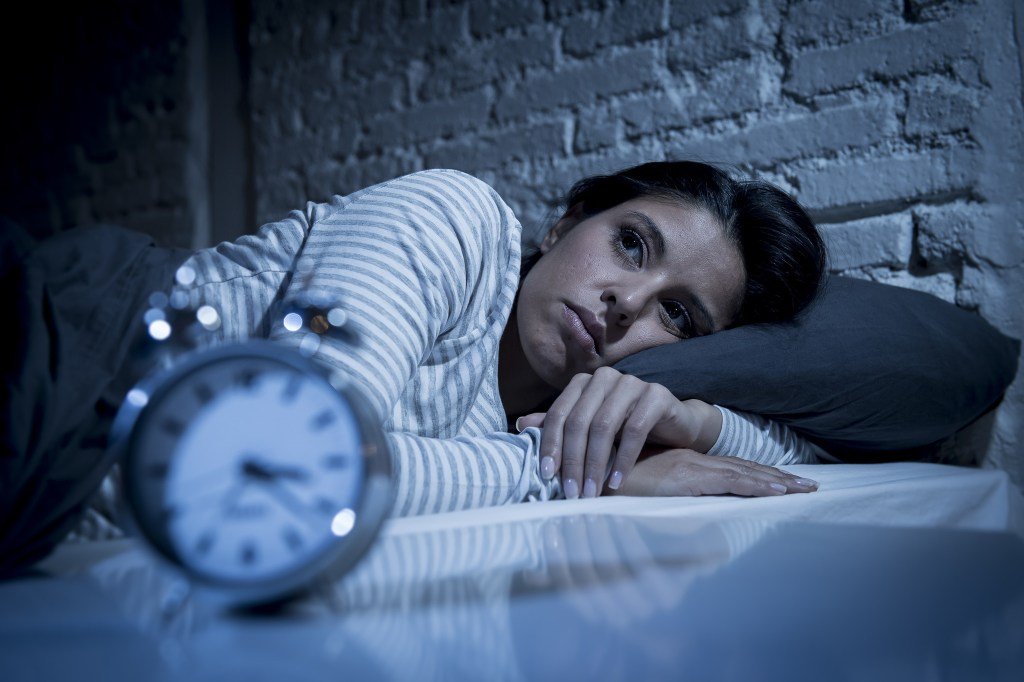
There are several factors that can make it challenging to sleep.
Identifying the cause of your sleep difficulties can help you address or remove the obstacles preventing you from falling and staying asleep.



Read Also: 4 Things To Do After A Sleepless Night
Some common causes include:
Caffeine or Nicotine Intake Close to Bedtime
Caffeine, a stimulant found in coffee, sodas, chocolate, and some teas, can stay in your system for up to eight hours. Having caffeine later in the day can disrupt your ability to fall asleep. Similarly, nicotine, also a stimulant, may cause smokers to wake up early due to withdrawal symptoms during the night.
Drinking Alcohol Before Bed
Although alcohol may initially make you feel relaxed, consuming it in large quantities before bed can prevent you from entering deep sleep stages, particularly REM (rapid eye movement) sleep. It can also interfere with normal breathing and exacerbate sleep disorders like sleep apnea, causing you to wake up after the alcohol’s effects wear off.
An Unsupportive Sleep Environment
If your bedroom isn’t conducive to sleep, it can be hard to drift off. The ideal sleep environment includes a room temperature between 65 to 68 degrees Fahrenheit, free from noise, bright lights, and clutter.
Mental Health Disorders
Undiagnosed mental health conditions can significantly impact your sleep. As many as 40% of people with insomnia also struggle with mental health issues, particularly depression, anxiety, or substance use disorders.
Sleep Disorders
Sleep disorders affect millions of people. They may arise due to medical, neurological, or mental health factors. Some of the most common sleep disorders include:
- Insomnia: Difficulty falling or staying asleep, often with early morning awakenings.
- Narcolepsy: A rare neurological condition causing excessive daytime sleepiness.
- Parasomnias: Unwanted sleep behaviors such as sleepwalking, night terrors, or sleep paralysis.
- Restless Legs Syndrome (RLS): An uncontrollable urge to move your legs due to uncomfortable sensations, especially at night.
- Sleep-related Breathing Disorders: Conditions like obstructive sleep apnea, characterized by snoring or gasping, which disrupt normal breathing during sleep.
Medical Conditions
Certain chronic health conditions can worsen or emerge during sleep, disrupting your sleep cycle. These include:
- Benign prostatic hypertrophy (BPH)
- Breathing disorders
- Chronic fatigue syndrome
- Fibromyalgia
- Gastroesophageal reflux disease (GERD)
- Heart conditions
- Hormonal changes due to menstruation, pregnancy, or menopause
- Pain
Medications
Some medications can interfere with your ability to sleep. They may prevent you from falling asleep, cause you to wake up during the night, or disrupt your sleep altogether. Common medications that may affect sleep include:
- Cold and allergy medications containing antihistamines
- Inhalers or oral medications for asthma or chronic bronchitis
- Nasal decongestants
- Pain relievers with caffeine
- Medications containing aspirin
 https://whatsapp.com/channel/0029VaihFajBadmT29ufud2Z









No Comments