

🎧
Listen to this article
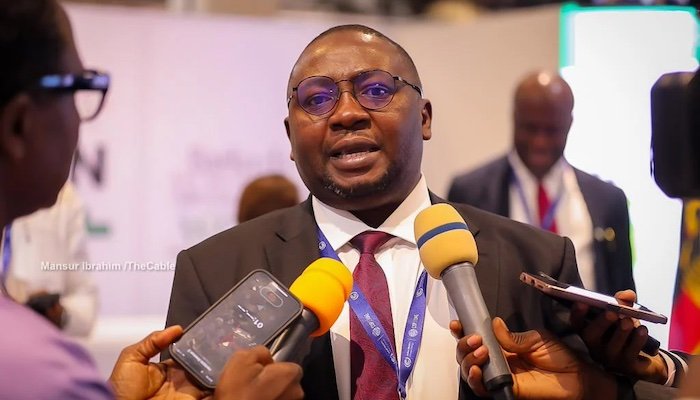
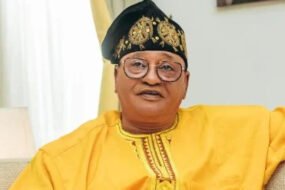
Chief Adebayo Adelabu, the Minister of Power, is prepared to step down from his role in the coming days.
This follows a significant meeting with President Bola Tinubu at the Presidential Villa in Abuja, where the President gave his “consent and blessing” for Adelabu to pursue his 2027 governorship ambition in Oyo State.
In a statement released by Tunji Bolaji, the Minister’s Special Adviser on Strategic Communications and Media Relations, it was noted that “President Tinubu commended the minister for his dedication and the progress recorded, particularly in laying a strong policy foundation for the transformation of the power sector.”
During Tuesday’s meeting, Adelabu presented a detailed report on his two-and-a-half-year tenure, highlighting efforts to stabilize electricity generation and upgrade transmission infrastructure.
A major milestone of the visit was the presentation of the National Integrated Electricity Policy (NIEP) and its Strategic Implementation Plan (SIP).
Read Also: Tinubu Removes Two Ministers In Cabinet Reshuffle
Adelabu explained that these documents provide a “long-term roadmap for achieving energy security, expanding electricity access, integrating renewable energy, and building a more resilient electricity system.”
He noted that his resignation was timed to ensure these critical frameworks were finalized to provide continuity for his successor.
Adelabu’s planned exit resolves weeks of rumors regarding his political future. Speculation first spiked in late March 2026 when a leaked resignation letter circulated online, which his aides dismissed at the time.
While he remained in office past the March 31 deadline set for appointees with political interests, Tuesday’s announcement confirms his ambition was “temporarily delayed to allow him to conclude key policy frameworks.”
Adelabu is expected to contest the Oyo State governorship under the All Progressives Congress (APC). This marks his third attempt at the seat:
-
2019: Ran as the APC candidate but lost to Seyi Makinde.
-
2023: Defected to the Accord Party after losing the APC primary, finishing third in the general election.
While Adelabu’s tenure saw the introduction of the NIEP and various investment drives, it was also marked by public debate over tariff increases and recurring grid instability.
His resignation is now seen as a key step in aligning the Federal Executive Council with electoral guidelines ahead of the upcoming party primaries.






No Comments