

🎧
Listen to this article
As of Monday, July 6, 2026, the retail price of Liquefied Petroleum Gas (LPG)—commonly known as cooking gas—is beginning to soften across various regions in Nigeria.
Following weeks of intense supply constraints and price surges, recent government interventions and improved stock levels at depots have led to a gradual downward trend in market rates.
Current Market Overview

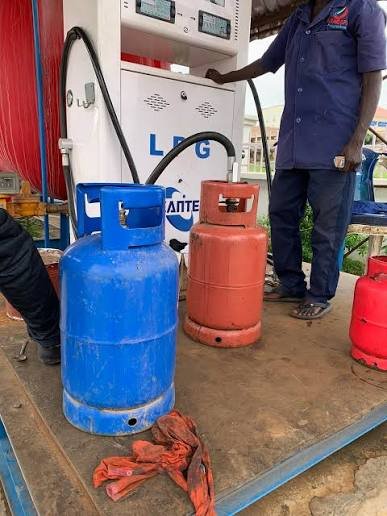
While prices remain non-uniform due to location-based logistics, retail outlets are currently reporting the following:
-
Average Retail Range: Cooking gas is currently being dispensed at retail prices ranging between ₦1,450 and ₦1,700 per kilogram. This reflects a notable easing from the peak prices of over ₦2,000 per kilogram recorded in previous weeks.
-
Depot Prices: Major LPG depots, which serve as the primary supply source for retailers, are now loading the product at prices between ₦1,065 and ₦1,100 per kilogram. The difference between this ex-depot price and the retail price is largely attributed to bridging (transportation) costs, local handling fees, and retail margins.
-
Regional Variations:
-
Abuja and Federal Capital Territory: Retailers in areas like Dutse and Gwarimpa have dropped prices toward the ₦1,450–₦1,500 per kilogram mark, down from highs of ₦1,700.
-
Lagos and Major Commercial Hubs: Markets in Lagos are seeing prices fluctuate between ₦1,100 and ₦1,350 per kilogram, depending on the proximity to coastal supply terminals and depot stocks.
-
Factors Influencing Price Shifts
-
Improved Supply: The government’s recent directive to security and regulatory agencies to clamp down on hoarding and diversion has helped stabilize supply chains.
-
Cargo Arrivals: Increased volume of LPG cargo arrivals has boosted inventory levels at major depots, easing the procurement pressure that previously drove prices up.
-
Logistics and Infrastructure: High transportation costs remain the biggest barrier to achieving a uniform price across the country. Areas further from major supply hubs continue to face higher retail premiums.
Market Outlook
Industry stakeholders suggest that if current inventory levels are maintained and supply chains remain unobstructed, consumers can expect further price moderation in the coming weeks. However, because the market is still recovering from extreme volatility, motorists and households are advised that prices may still vary significantly between different retail outlets within the same neighborhood.









No Comments