

🎧
Listen to this article
As of Monday, July 20, 2026, the retail price of Liquefied Petroleum Gas (LPG), or cooking gas, continues to fluctuate across Nigeria.
Following recent market interventions and improved product availability, prices have begun to ease in several major cities, though costs remain uneven due to variations in logistics, distance from supply depots, and retailer margins.
Current Retail Price Trends
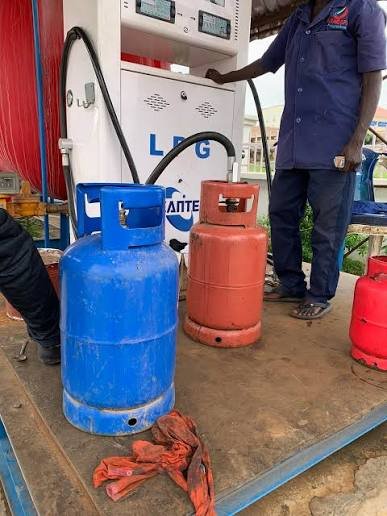
National retail prices for cooking gas currently range from ₦1,100 to ₦1,650 per kilogramme, depending on the specific location and the retailer. While some neighbourhood shops may charge slightly above this range due to elevated transportation costs, the general market trend is showing signs of stabilization.
-
Lagos, Ibadan, and Abeokuta: Prices are currently trending between ₦1,100 and ₦1,350 per kilogramme.
-
Benin City, Port Harcourt, and Warri: Consumers in these areas are paying between ₦1,150 and ₦1,400 per kilogramme.
-
Onitsha and Enugu: Retail prices range from ₦1,200 to ₦1,450 per kilogramme.
-
Abuja: Prices are slightly higher, ranging between ₦1,250 and ₦1,500 per kilogramme.
-
Northern Cities (Kano, Kaduna, and North-East): Prices remain at the higher end of the spectrum, typically between ₦1,300 and ₦1,650 per kilogramme.
Estimated Cylinder Refill Costs
Based on the prevailing retail rates, consumers should anticipate the following costs for standard cylinder refills:
| Cylinder Size | Estimated Price Range |
| 5kg Cylinder | ₦5,500 – ₦8,250 |
| 6kg Cylinder | ₦6,600 – ₦9,900 |
| 12.5kg Cylinder | ₦13,750 – ₦20,625 |
Factors Influencing Pricing
The recent easing of prices is attributed to several key market developments:
-
Improved Supply: Increased product availability from both domestic sources and recent large-scale imports has helped soften depot prices.
-
Reduced Market Volatility: The disappearance of panic buying and hoarding, which previously tightened supplies, has contributed to a more stable retail environment.
-
Logistics and Distribution: Despite the general easing of prices, transportation costs remain a significant factor. Retailers in areas further from coastal depots or major supply hubs continue to pass on higher logistics costs to consumers, leading to regional price disparities.
While industry associations like the Nigerian Association of Liquefied Petroleum Gas Marketers (NALPGAM) remain optimistic that prices could further stabilize as infrastructure expands, consumers are encouraged to check with local retailers as prices may continue to vary based on local supply conditions.









No Comments