

🎧
Listen to this article
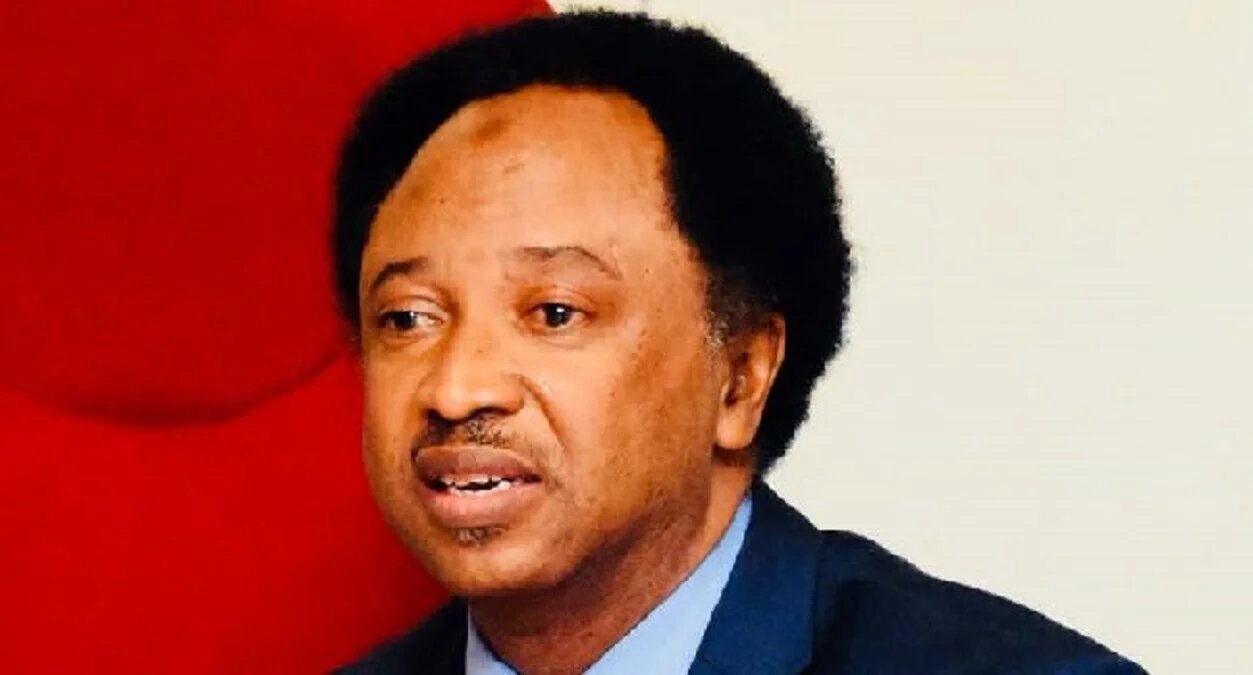
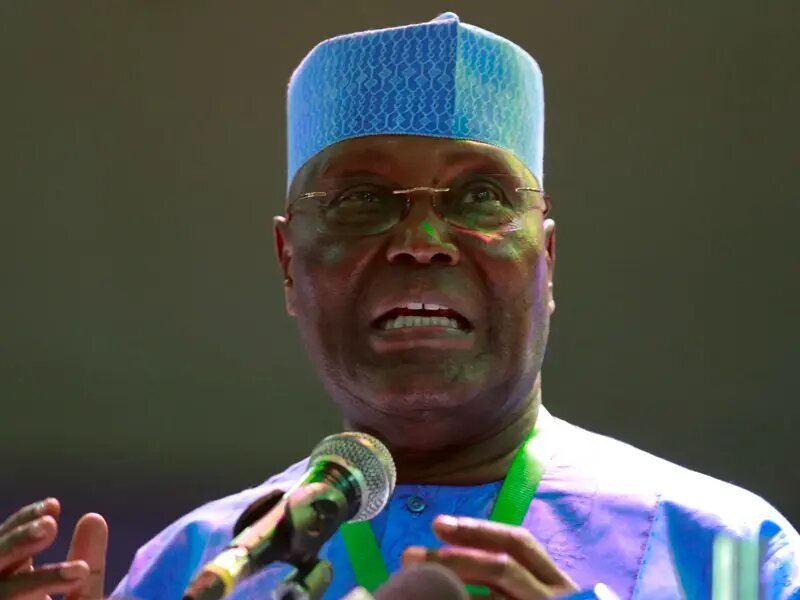
Former Kaduna Central Senator, Shehu Sani, has described the pledge by the presidential candidate of the African Democratic Congress (ADC), Atiku Abubakar, to restore fuel subsidy as a “political Trojan horse” aimed at winning votes ahead of the 2027 general election.
Sani dismissed the commitment as unfeasible, pointing out that Atiku had previously backed the elimination of petroleum subsidies.
The former lawmaker shared these remarks while speaking to media representatives in Abuja on Saturday, where discussions also touched on upcoming political campaign dynamics.
Sani stated, “What he is saying is outright deception of Nigerians.”
He contended that Atiku had consistently advocated for subsidy removal throughout his political career, making his sudden electoral reversal difficult to take seriously.
“As someone who has always subscribed to Bretton Woods Institution neoliberal economic policies, someone who believes in World Bank and IMF prescriptions, devaluation of currency, privatisation of public enterprises and all sorts of capitalist bourgeoisie economic policies, and someone who has, throughout his political history and campaigns, stood for the removal of subsidy, for someone now to make a reversal simply because he needs votes, there is a need for Nigerians to seriously not take what he has said at face value,” Sani said.
He noted that reinstating subsidies poses immense practical challenges given the vast amounts previously funneled into petroleum support funds.
“For a number of reasons, what he said is virtually impracticable,” he said.
Furthermore, Sani cautioned against reinstating the old framework, claiming that past beneficiaries manipulated the mechanism for personal financial gain.
“We have also seen how beneficiaries of subsidies use this mantra of subsidy to defraud our country. Many of them have cases in court where hundreds of billions of naira were looted and diverted from the national treasury in the name of importing petroleum products under the subsidy regime,” he said.
The ex-senator also argued that past subsidy structures fueled rampant product smuggling into neighboring nations where pump prices were steeper.
According to him, halting subsidies successfully curbed cross-border smuggling while boosting allocations for state and local government administrative budgets.
“Now, the removal of subsidy has also been able to provide resources for sub-nationals, for state governments and local governments, for them to be able to use for roads, schools and hospitals,” Sani said.
He questioned whether the nation’s current revenue levels—heavily tied to debt servicing—could absorb the fiscal weight of subsidy restoration.
Instead, Sani urged political figures to prioritize fixing local refineries to boost domestic petroleum processing.
“If any politician makes pledges to revamp our refineries, so that we can refine our own crude oil, then he is making sense,” he said.
He additionally cautioned that bringing back subsidies would fail to provide immediate relief for consumer goods prices.
“And let us not deceive ourselves. The return of subsidy will not bring down the prices of commodities. It will simply distort the economic stability of our country,” Sani stated.
Nevertheless, Sani conceded that ending subsidies brought severe financial distress and strained relations between citizens and the federal administration.
“I know very well that the removal of subsidy is causing a lot of hardship and economic suffering in the lives of our people, and it has been one policy that has created bad blood between ordinary Nigerians and this administration,” he said.
He insisted that resolving these burdens requires forward-looking solutions rather than reverting to outdated models.
“But addressing the problem is not going back to the past; it is moving towards the future,” Sani said.
Additionally, the former lawmaker voiced support for President Bola Tinubu’s prospective 2027 run while emphasizing the importance of a southern presidential contender within opposition ranks.
Sani stressed that preserving national unity requires honoring the country’s diverse political background.
“There should not be apocalyptic if you cannot win. It’s a contest, and people should stop making negative predictions about the future of our country,” he said.
He added, “I strongly believe that 2027 election should be for Southern presidential candidate, because it is unfair, it is unjust. It is inequitable for any northerner to think of contesting election in 2027.”
Sani noted that this stance stems from the necessity of upholding power rotation and balancing interests across different regions.
He concluded by encouraging political stakeholders to foster a calm and credible electoral environment.
Let us respect the realities of our history. Let us also respect the realities of our diversity, and let us work towards a peaceful and credible election in 2027,






No Comments