

🎧
Listen to this article
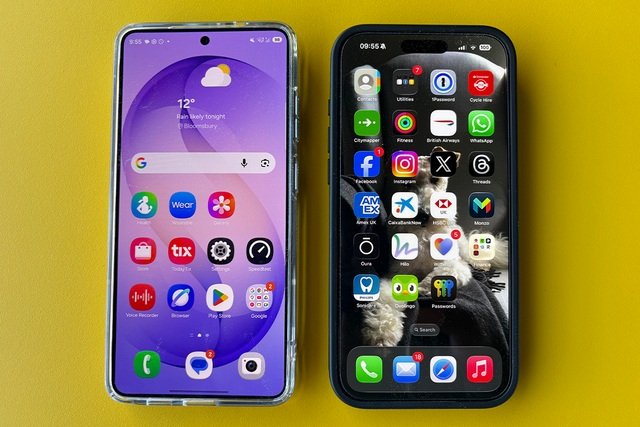
When choosing a new smartphone, the debate often comes down to two major industry giants: Samsung Galaxy and Apple iPhone.
While both brands offer top-tier mobile technology, they cater to very different user preferences.
Here are the 7 key differences between Samsung Galaxy and iPhone:
1. Operating System (Android vs. iOS)
The core foundation of each phone is entirely different. Samsung Galaxy runs on Google’s Android operating system via Samsung’s custom One UI interface, which is known for deep customisation, open-source flexibility, and user control. In contrast, the iPhone runs Apple’s iOS, which offers a streamlined, closed ecosystem focused on simplicity, uniform updates, and security.
2. Customisation and Flexibility
If you like to tweak your device, Samsung Galaxy wins hands down. Android allows you to change default launchers, reposition unique widgets, sideload apps, and deeply modify the user interface. Apple’s iOS has introduced more home screen customisation features recently, but it still operates strictly within boundaries set by Apple.
3. Hardware Variety and Price Range
Samsung offers an extensive lineup of devices ranging from budget-friendly Galaxy A-series models to high-end flagships and foldable phones like the Galaxy Z Fold and Z Flip. Apple maintains a more streamlined product catalog, focusing primarily on premium flagship tiers and select mid-tier or specialized options, generally keeping prices consistent across its main lines.
4. Camera Capabilities and Zoom
While both brands produce exceptional cameras, their strengths differ. Samsung Galaxy flagships often feature massive megapixel counts and incredible optical zoom lenses such as periscope telephoto lenses that let you capture crisp details from far away. iPhones are widely celebrated for their industry-leading video recording quality, smooth frame transitions, and natural color science.
5. Ecosystem Integration
Apple is famous for its tightly integrated ecosystem. If you use a Mac, iPad, or Apple Watch, an iPhone fits seamlessly into your workflow with features like AirDrop and universal clipboards. Samsung also has a robust ecosystem for its tablets, smartwatches, and smart home appliances, but Android’s broader nature also allows for smooth third-party cross-compatibility with non-Samsung devices.
6. Battery Life and Charging Speed
Samsung devices often pack larger physical battery capacities and support faster wired charging speeds. iPhones achieve exceptional battery longevity and all-day endurance through deep software-to-hardware efficiency and advanced chip optimization, alongside convenient magnetic wireless charging options via MagSafe.
7. Resale Value and Longevity
iPhones traditionally hold their resale value better than almost any other smartphone brand on the market. This is largely due to Apple’s long-term software support and consistent global demand for older models. While Samsung has significantly improved its update commitments for flagship devices, Android devices generally depreciate faster in value over time.
Understanding these core distinctions can help you decide whether the customisation and hardware versatility of the Samsung Galaxy or the seamless consistency and ecosystem of the iPhone best matches your lifestyle.





No Comments