


🎧
Listen to this article
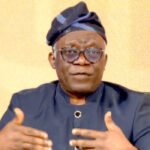
Human rights attorney and Senior Advocate of Nigeria (SAN), Femi Falana, has once again challenged the federal government’s fuel subsidy removal policy, asserting that citizens are yet to experience the tangible benefits of the funds saved from the reform.
Speaking during an appearance on Channels Television’s Sunday Politics program, Falana questioned how increased revenue allocations accrued across federal, state, and local governments are being utilized to improve public infrastructure and citizen welfare.
“I was just reading some news about a particular road in Ekiti State, the road that leads to Afe Babalola University. And everybody there is asking the Abuja people to come and fix the road, whereas between January and May this year, that local government has taken about N5.4 billion,” he said.
“So you can’t fix a road with less than 500 million naira? And in any case, state governments were fixing roads, and they would then go to Abuja to ask for a refund. So, we must begin to ask questions of the local government, the state government, and the Federal Government. If you say we are making more money, we don’t want to go back to the era of the fuel subsidy scam. Where are the benefits? It’s a fallacy being told to wait and wait and wait. People are dying.”
The legal practitioner noted that despite higher national crude oil production volumes and increased revenue generation, systemic debt obligations continue to absorb public resources.
“Now, the money earmarked for fuel importation by the government—$10 billion per annum—ought to have been saved, but the bulk of this money goes for servicing of debt. That’s where the problem lies,” the lawyer said.
Falana stressed that with expanded allocations reaching every level of government, Nigerians must hold their elected representatives accountable for performance and fiscal transparency.
“Yes, state governments are getting more money. The Federal Government is getting more money. Local governments are getting more money on paper. It is the duty of the Nigerian people now to demand accountability,” the 68-year-old activist said.
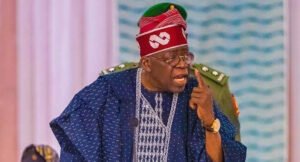
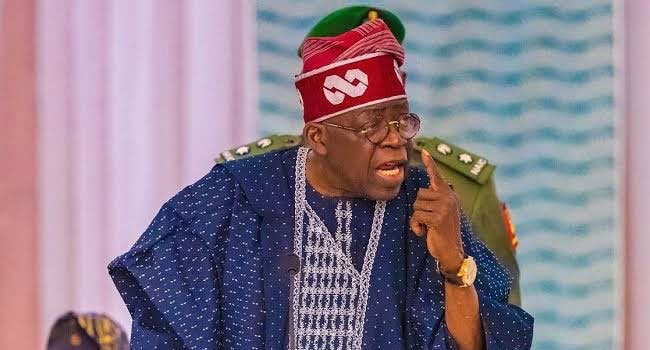
President Bola Tinubu officially announced the termination of fuel subsidy payments upon assuming office in May 2023, driving up domestic transportation costs and general consumer prices.
The presidency has repeatedly defended the policy shift, arguing that subsidy funding was unbudgeted and that ending the practice freed up vital capital allocations for sub-national governments to execute development projects.
However, public policy critics contend that economic relief remains elusive for the majority of the population, keeping fuel subsidy reform at the center of national debate ahead of the 2027 general elections.
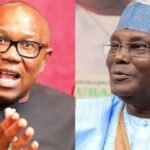
Political stances on the issue remain divided among key presidential contenders, with African Democratic Congress (ADC) candidate Atiku Abubakar pledging to restore subsidy mechanisms, while Nigeria Democratic Congress (NDC) candidate Peter Obi supports retaining the policy while demanding judicious utilization of the accrued savings.




No Comments