

🎧
Listen to this article
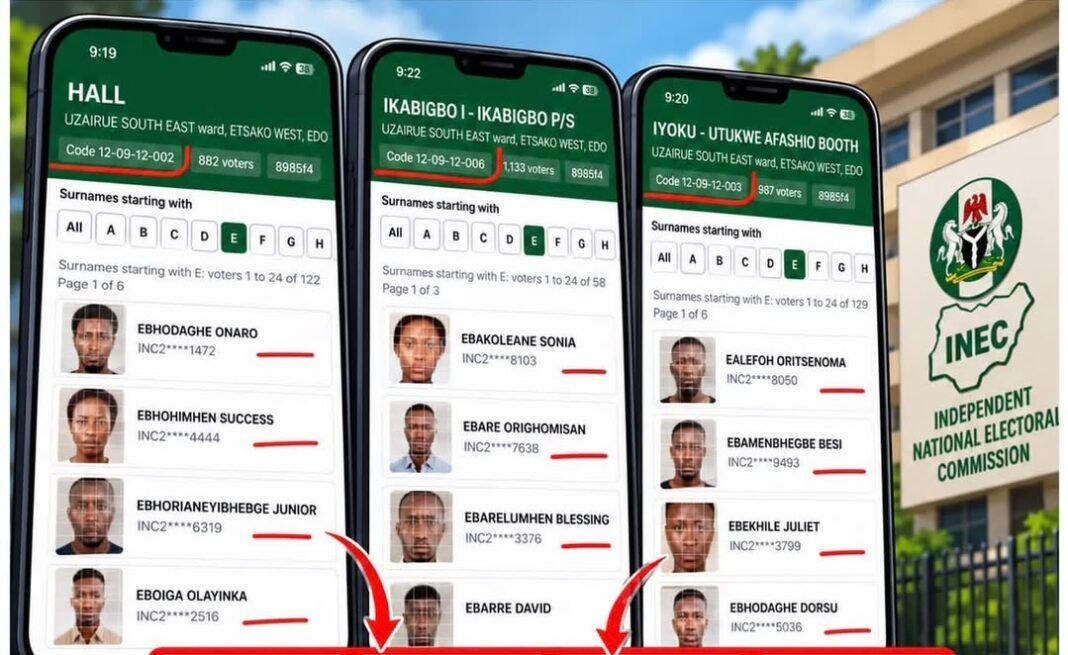
The Independent National Electoral Commission (INEC) has confirmed the identification of officials across 10 states allegedly involved in uploading artificial intelligence-generated photographs into Nigeria’s national Register of Voters.
According to the electoral body, the manipulated images have already been purged from the database, while the implicated personnel have been flagged for disciplinary sanctions.
INEC National Commissioner and Chairman of its Information and Voter Education Committee, Mohammed Kudu Haruna, revealed the development on Wednesday during a webinar hosted by the PUNCH Media Foundation, themed, ‘AI, Misinformation and Nigeria’s 2027 Elections: Safeguarding the Truth, Protecting the Vote’.

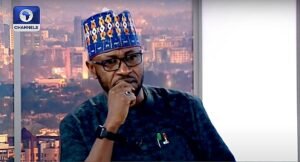
Haruna noted that the influx of digitally manipulated photos poses a major operational challenge as the commission prepares for the 2027 general elections. While acknowledging that curbing external photo manipulation by members of the public presents technical hurdles, he maintained that breaches involving INEC personnel fall squarely within the commission’s enforcement powers.
‘We have already seen one of the challenges, which is that a lot of AI-generated photographs were posted onto the voters’ register, which, as we have said, we have had to take down,’ Haruna stated.
Addressing the culpability of internal staff, he added: ‘But the ones involving our own staff, where it is our own staff that did so, that one is within our control. We are in the process of addressing it. They have been flagged. We have their names across about 10 states, and obviously, they are going to face disciplinary action’.
On the broader regulation of emerging technologies in Nigeria’s electoral process, Haruna disclosed that INEC has drafted a dedicated Artificial Intelligence policy currently undergoing final review.
He explained that the fast-evolving nature of AI makes drafting rigid frameworks difficult for electoral bodies worldwide, including in advanced democracies.
‘As you know very well, it is new territory out there. Even the most advanced countries don’t have what you might call concrete, specific policies about AI because these things are evolving,’ Haruna noted. ‘But we have at least some ideas of what we want to do and how we want to use that. We have that policy. Very soon, we will concretise it, and we will be able to share it with the media.’
The cleanup follows heightened public scrutiny over the integrity of INEC’s preliminary voters’ register ahead of the 2027 polls, triggered by the discovery of anomalous portraits and irregular registration entries.







No Comments