

🎧
Listen to this article
The Independent National Electoral Commission (INEC) has deferred its planned comprehensive clean-up of the national voters’ register until after the 2027 general elections, attributing the decision to time constraints and public resistance to the exercise.
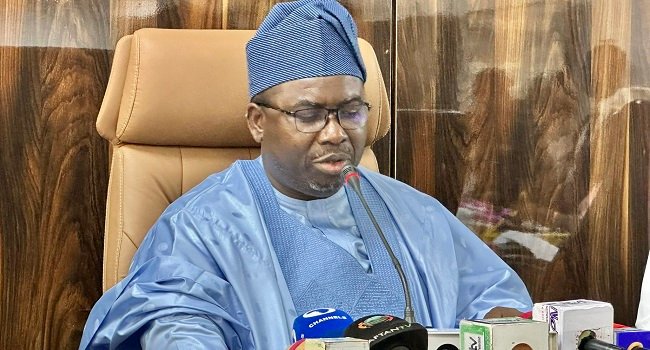
INEC Chairman, Prof. Joash Amupitan, made the disclosure during an appearance on the Bereke Family TV programme aired on Friday.
Amupitan explained that the commission had initially proposed a six-month validation exercise to purge deceased persons, underage voters, duplicate entries, and incomplete registrations from the database, but suspended the initiative following public pushback.



The announcement comes amid heightened scrutiny over alleged anomalies in the preliminary voters’ register, particularly widespread reports of multiple registrations that have drawn heavy criticism across social media platforms.
According to the INEC boss, internal findings indicated that the majority of the flagged duplicate records originated from the legacy register containing entries dating as far back as 2011.
He noted that the commission had contemplated rolling out a full-scale validation process in February after detecting deceased individuals and duplicated names on the roll.
“We decided that the foundation of a good election is a valid voters’ register. Let us validate, because people who have already died were still on the register, and many names were duplicated,” Amupitan stated.
“We said the process would only take six months. Let us clean up so that people can come and update their details, but Nigerians said no. So, we said we would do it after the election,” he added.
Amupitan explained that the suspended validation exercise was designed to deploy upgraded technology capable of flagging discrepancies that bypassed earlier registration frameworks, alongside weeding out incomplete records, underage entries, and deceased voters.
For now, however, he stated that INEC will focus strictly on rectifying duplicate registrations reported by citizens ahead of the 2027 elections, describing some of the uncovered cases as alarming—with certain individuals appearing with up to five different photographs.
“We cannot do everything now; we have no time to do it, but we can do duplications; those they are flagging,” the INEC chairman said.
“Some of the cases involve five pictures of the same person. It is very ridiculous, truly, and we cannot close our eyes to it. We are doing that right now to ensure that the register is clean,” he emphasized.
Amupitan also revealed that the ongoing audit has already led to a drop in the total number of registered voters, adding that INEC will release the final register upon completing the exercise while reconsidering its initial December 15 publication deadline due to the volume of public complaints received.










No Comments