

🎧
Listen to this article
This topic is currently a major flashpoint following the May Day 2026 celebrations.
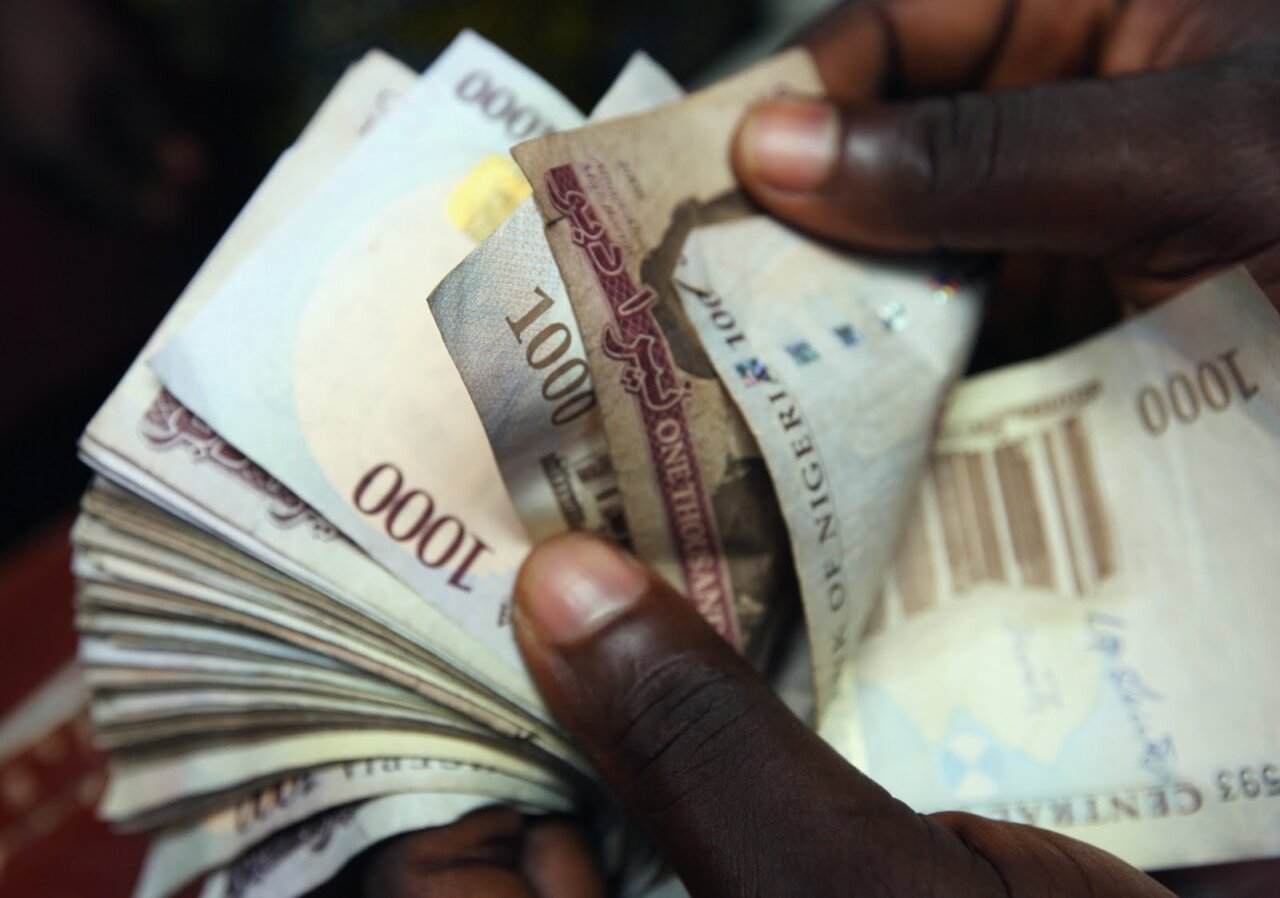
While the N70,000 minimum wage was signed into law back in 2024, the reality on the ground in several states remains a subject of intense debate and labor disputes.
The Current Situation
As of May 2026, the Nigeria Labour Congress (NLC) and the Trade Union Congress (TUC) have identified a “red zone” of states where workers are still receiving salary alerts based on the old N30,000 structure or incomplete adjustments.
While many governors have “announced” approval, labor leaders argue that “announcement is not payment.”
States Under Pressure for Non-Implementation
Based on recent reports from the 2026 Workers’ Day rallies, the following states are facing the most heat for paying below the benchmark or failing to implement the new scale across all levels:
-
Zamfara: Repeatedly cited by labor unions for persistent delays and “fiscal excuses” regarding the new wage floor.
-
Sokoto: While negotiations have happened, local government workers in particular report they are still stuck on the old scale.
-
Abia: Workers have recently threatened to shut down state operations, claiming that “the N70,000 agreement has remained a paper promise” without hitting their bank accounts.
-
Cross River: Labor leaders here have expressed frustration over “stalled” consequential adjustments for senior civil servants.
-
Kano: Despite the state’s high revenue potential, there are ongoing complaints about partial implementation in certain sectors.
The “Minimum Wage Leaders” (Comparison)
To give your readers perspective, you can contrast the “struggling” states with those that have moved far beyond the N70,000 mark:
-
Imo State: Currently the highest payer at N104,000.
-
Lagos & Rivers States: Both at N85,000.
-
Bayelsa & Niger States: Both at N80,000.
-
Edo State: Consistently paying N70,000 since 2024.
Why the Delay?
-
The “Consequential Adjustment” Fight: Governors often agree to pay N70,000 to the lowest worker but refuse to give a proportional raise to supervisors and directors, leading to a “deadlock” with unions.
-
Local Government Funding: Even if the Governor pays state-level staff, Local Government workers are often left out, with some still earning as little as N30,000.
-
Inflation vs. Wages: Labor President Joe Ajaero recently noted that “N70,000 in 2026 cannot even buy a bag of rice,” leading to demands for a fresh review even before some states have started paying the current one.








No Comments