

🎧
Listen to this article
Lawmakers serving on the House of Representatives Ad-hoc Committee investigating the questionable council controversy interrogated Federal Road Safety Corps (FRSC) management on Thursday regarding the decision to process official government license plates for the organization despite paperwork featuring prominent national figures as governing board members.
The grilling session transpired when FRSC Corps Marshal Shehu Mohammed appeared before the legislative panel headed by Rep. Yusuf Gagdi.
The committee sought clear answers on how the unverified outfit successfully acquired official government vehicle registration items.
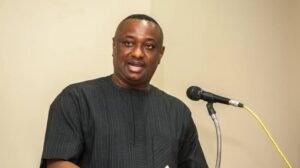
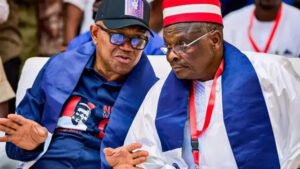
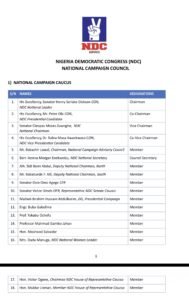
Inspecting files provided by promoter Prince Adeyemi Adeniyi, Gagdi pointed out that the leadership structure explicitly named President Bola Tinubu, SGF George Akume, FCT Minister Nyesom Wike, and Minister Gboyega Oyetola among the council’s board members.
When asked whether those records formed part of the official clearance file, the Corps Marshal answered affirmatively.
Gagdi criticized the road safety agency for overlooking major warning signs given the presence of active executive leaders.
The lawmakers asserted that standard vetting procedures ought to have triggered direct confirmation checks with the presidency.
Defending the corps, the agency chief insisted that his team adhered to established protocols before releasing the vehicle identification materials.
Mohammed noted that internal inquiries were launched immediately after public reports regarding the scandal broke weeks earlier.
“When this saga started about three weeks ago, I called my Deputy Corps Marshal in charge of Motor Vehicle Administration and asked him to check whether we had issued Federal Government number plates to this agency.
“The next day, he reported that we did and that all due diligence had been carried out. We immediately documented everything in anticipation that this committee would invite us,” he said.
Explaining standard workflow, Mohammed stated that official bodies must submit formal requests verified via Remita payments, backed by legal foundation documents for newly created entities.
Recounting the timeline, the agency received initial applications in April 2025 from the advisory office under Prince Adeniyi’s signature, followed by a subsequent follow-up.
The applicant personally visited headquarters, supported by an active website operating on official government domains displaying senior executive titles.
“The website contained the names of prominent public office holders as members of its governing board or council, giving every indication that it was an authentic Federal Government agency,” he said.
On-site visits to the listed location at the Federal Secretariat further persuaded field operatives of the body’s authenticity.
“It therefore came as a shock to the Corps when it later emerged that the Presidential Foreign Investment Promotion Council was not an approved Federal Government agency and that the representations made by Prince Adeniyi were false,” he said.
The corps verified that measures are underway to recover all distributed plates while upgrading screening guidelines, noting that physical vehicles tied to the registration numbers underwent proper chassis verification during processing.






No Comments