

🎧
Listen to this article
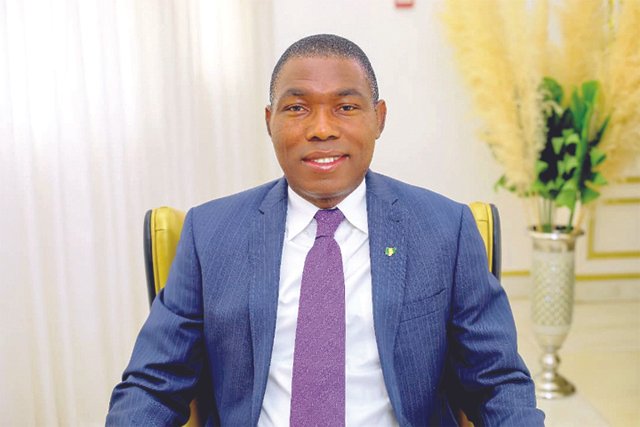
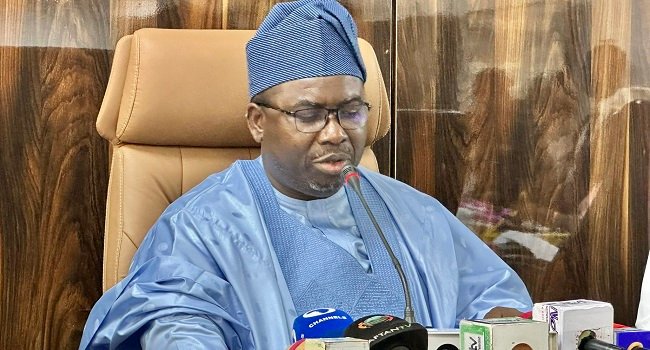
Social Democratic Party presidential candidate Adewole Adebayo has outlined a strategic economic plan to crash the pump price of petrol to ₦200 per litre, driven by expanded domestic refining capacity and direct state management over crude oil allocations.
Appearing on Arise News to detail his policy framework, Adebayo warned that Nigeria’s current fuel pricing model is economically unsustainable and continues to exacerbate national poverty, inflation, and public living costs.
Defending his proposal, he stated, “What we are recommending and proposing is not something new and we’ve done it successfully over the years until the capacity to govern collapsed completely.”
He identified the Federal Government’s loss of operational control over national fuel supply chains as the core structural weakness driving up domestic energy prices.
Addressing the economic impact, Adebayo noted, “What is clear and anyone who is in Nigeria will agree that the current pricing mechanism for petrol is not sustainable.”
He added, “It’s going to increase poverty and it’s going to add a lot of problems to the fiscal and monetary management of Nigeria and cost of living and issue of quality of life and productivity.”
To reverse the trend, Adebayo advocated rehabilitating state-owned refining infrastructure in Port Harcourt, Warri, and Kaduna to ensure their output directly serves domestic markets.
Highlighting the underutilization of state assets, he remarked, “Right now they give us zero. We need to make sure that what they produce is dedicated to local consumption.”
The SDP candidate asserted that achieving a sustainable ₦200 pump price requires ending heavy reliance on imported refined petroleum products.
He faulted previous administration models, observing, “The fourth principal fault in the pricing mechanism that we’re using before the subsidy was that we were subsidizing products we did not produce.”
Adebayo argued that prioritizing local refining allows the government to cut production expenses without reintroducing unsustainable subsidy burdens.
Explaining his cost-control strategy, he said, “When you subsidize products that you produce, the first window for you is to lower your costs and minimize the profit motive.”
He proposed reinstating the historical allocation of 450,000 to 500,000 barrels of crude daily for domestic consumption to insulate local pricing from global market shocks.
Emphasizing local production capacity, Adebayo stated, “We need to produce. So our affordability plan arises from seizing control of the availability. That is, we will be able to refine. The crude is there.”
Rejecting proposals to privatize national oil assets, he pledged to enter into operational and maintenance management agreements with competent technical firms.
Clarifying his stance on state refineries, he affirmed, “It’s just that the government has taken the policy to shut them down, to not make them work. So we will make sure they will work.”
He added, “I will not sell them, but I will get them run efficiently.”
Adebayo noted that under his framework, private refineries would be encouraged to focus on export markets to generate foreign exchange while state facilities satisfy internal demand.
Detailing support for private refiners, he concluded, “We will give them all the encouragement, all the support to have access to crude, to pay for crude in local currency, so that when they sell overseas, they can export back the forex into the economy.”




No Comments