

🎧
Listen to this article
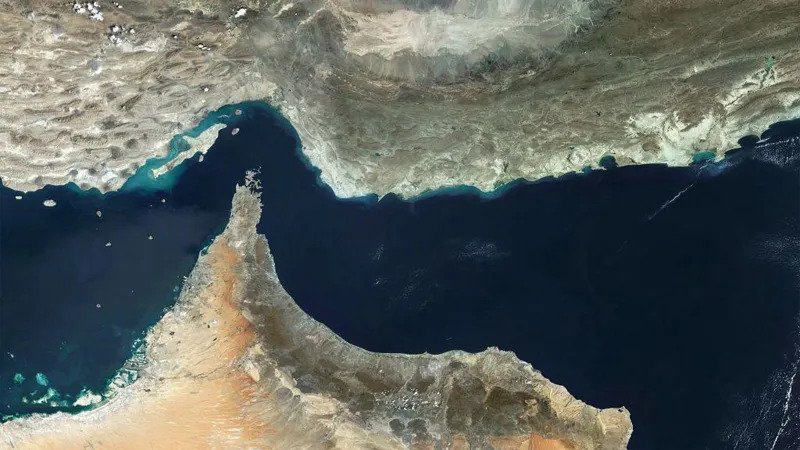
The Strait of Hormuz is arguably the most vital maritime chokepoint in the global economy.
Located between Iran to the north and Oman and the UAE to the south, it serves as the only sea passage from the Persian Gulf to the open ocean.
As of March 2026, the ongoing conflict has highlighted its strategic importance more than ever. Here is what you need to know:



1. Global Energy Lifeline
The Strait is the primary artery for the world’s oil and gas.
-
Volume: Roughly 20 million barrels of oil per day pass through the Strait, accounting for about 25% of global seaborne oil trade.
-
Liquefied Natural Gas (LNG): It carries about 20% of the world’s LNG, primarily from Qatar, making it essential for global heating and electricity.
-
Asian Dependency: Over 80% of the oil flowing through Hormuz is destined for Asian markets, particularly China, India, Japan, and South Korea.
2. Strategic “Chokepoint” Geography
Despite its global importance, the waterway is surprisingly narrow and difficult to navigate.
-
Narrowness: At its thinnest point, the Strait is only 21 miles (33 km) wide.
-
Shipping Lanes: Actual navigable lanes are even tighter. Ships must use a Traffic Separation Scheme (TSS) consisting of two-mile-wide “lanes” for inbound and outbound traffic, separated by a two-mile buffer zone.
-
Depth: The water is deep enough (200 to 300 feet) to accommodate the world’s largest “supertankers,” known as VLCCs (Very Large Crude Carriers).
3. Geopolitical Leverage
Because so much of the world’s energy is concentrated in this one narrow passage, it is frequently used as a tool for political pressure.
-
Iran’s Influence: Iran borders the entire northern length of the Strait, giving it significant military “sway.” In the current 2026 conflict, traffic has reportedly dropped by nearly 95% due to security threats and the presence of naval mines and drones.
-
Limited Alternatives: While Saudi Arabia and the UAE have pipelines that can bypass the Strait (like the East-West Pipeline to the Red Sea), these can only carry a small fraction (roughly 3.5 to 5.5 million barrels per day) of the region’s total export capacity.
4. Economic Impact
Any disruption here causes immediate “shockwaves” in the global market.
-
Price Surges: In the current 2026 crisis, Brent crude prices have spiked toward $100 per barrel due to the effectively closed status of the waterway.
-
Insurance Costs: Shipping companies face massive “war risk” insurance premiums to transit the area, which further drives up the cost of goods globally.









No Comments