

🎧
Listen to this article
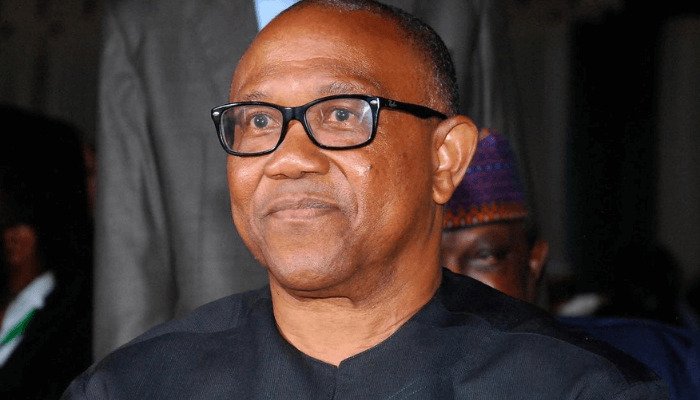
The presidential candidate of the National Democratic Congress for the 2027 general elections, Peter Obi, has declared that he will retain President Bola Tinubu’s foreign exchange policy floating the naira if elected into office.
Obi explained, however, that his administration would aggressively focus on driving national productivity to strengthen the domestic currency and increase its purchasing value for Nigerians.
Disclosing his economic blueprint during an interview on Arise TV on Thursday, September 10, 2026, the former Anambra State governor was asked to name one specific policy of the current administration he would preserve.

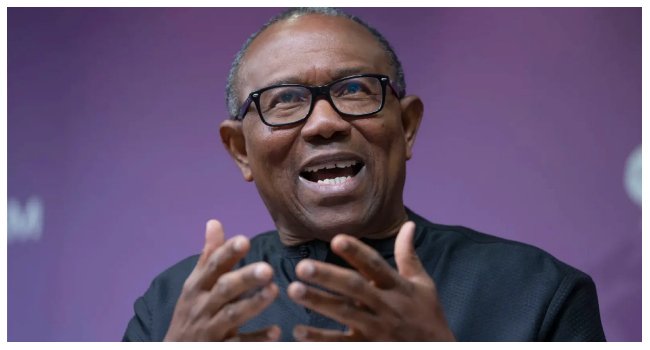
Responding to the inquiry, Obi stated, “There’s one – the floating of the Naira. I’m not going to defend it. But I’m going to put productivity to make it more valuable to the people”.
Warning against identity politics as the country prepares for the next general election, the NDC candidate emphasized, “Our election should not be driven by tribalism”.
The floating of the naira was initially introduced by the Tinubu administration in June 2023 as part of comprehensive economic reforms designed to unify foreign exchange windows and allow market forces to establish the currency’s true value.
Following the removal of operational restrictions at the Investors and Exporters foreign exchange window, the central bank abolished multiple exchange rates, enabling the local currency to trade freely against major international currencies.
The monetary decision triggered a sharp depreciation of the naira, shifting exchange rates from under ₦500 per dollar to trading levels exceeding ₦1,500 per dollar at various market intervals.
While economic analysts remain divided over the execution of the reform, supporters argue that unifying the market was necessary to restore operational transparency and stimulate foreign direct investment.
Obi’s position highlights a distinct strategy of maintaining the floating exchange-rate framework while fundamentally changing the underlying economic fundamentals supporting the currency.
Rather than reversing the unified market structure, the former governor reiterated his commitment to shifting Nigeria from a consumption-reliant model to an economy anchored on manufacturing, industrialization, and export capacity.
Obi, who contested the 2023 presidential election under the Labour Party, is seeking the nation’s top political office in 2027 on the platform of the NDC.







No Comments