

🎧
Listen to this article
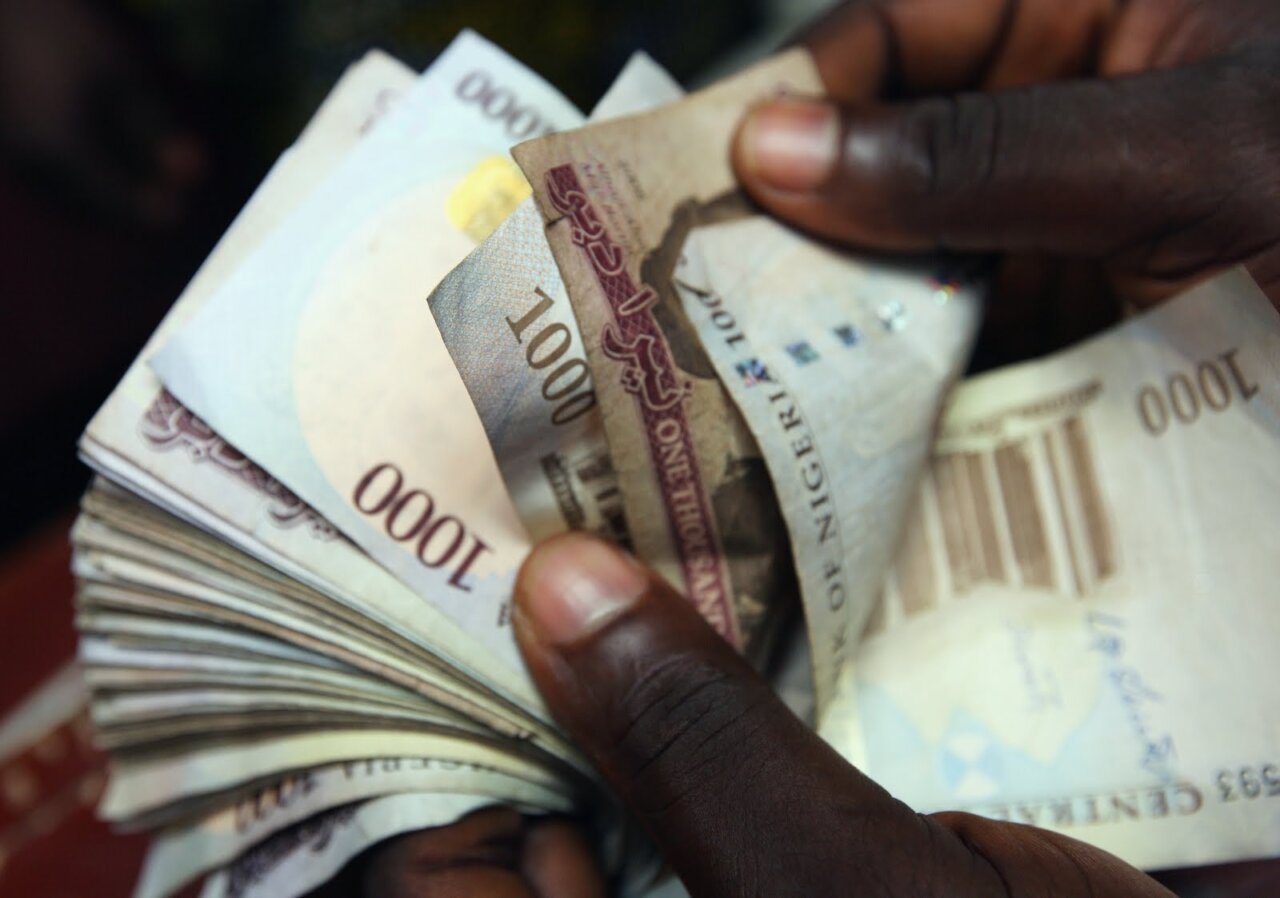
The Federal Government has approved a monthly transport allowance of ₦70,000 for public servants spanning six months, commencing in November 2026, as part of measures to cushion the impact of rising living costs.
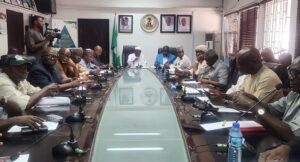
The approval formed part of the key resolutions reached during a conciliation meeting between the Federal Government and the Nigeria Labour Congress (NLC) in Abuja on Tuesday, October 27, 2026.
Beyond the transit package, the pact addressed long-standing allowance arrears, health sector entitlements, minimum wage talks, and broader labor welfare issues.


Here are 10 critical details public servants must know regarding the ₦70,000 transport allowance and the accompanying agreements:
1. The Allowance Is ₦70,000 Monthly
The Federal Government officially approved ₦70,000 monthly as transport relief for civil servants. Based on the signed memorandum of understanding, the intervention applies “across all levels”.
2. Payment Begins In November 2026
Disbursement of the transit allowance is slated to kick off in November 2026. However, the agreement does not outline specific payout dates or confirm if the funds will be combined with regular monthly salaries.
3. The Intervention Will Last For Six Months
The approved relief initiative will run for six months, spanning November 2026 through April 2027, subject to full execution of the pact. It operates as a temporary measure rather than a permanent pay raise.
4. Beneficiaries Could Receive ₦420,000 In Total
Calculated at ₦70,000 per month for six months, eligible public servants stand to receive a cumulative sum of ₦420,000 across the entire intervention timeline, paid out monthly rather than as a lump sum.
5. It Is Separate From The ₦70,000 Minimum Wage
The transport stipend is completely distinct from the national minimum wage, which was raised from ₦30,000 to ₦70,000 in 2024. The latest pact did not resolve disagreements over the effective implementation date for the minimum wage; instead, both sides agreed to inaugurate the Minimum Wage Negotiation Committee to start talks immediately.
6. Payment Procedures Are Yet To Be Clarified
While the document specifies the monthly allocation and timeframe, it omits details regarding the exact disbursement mechanism, application requirements (if any), payment channels, and specific categories of eligible staff.
7. State And Local Government Workers’ Eligibility Is Not Automatic
The communique encourages state and local government administrations to join the intervention scheme and urges labor unions to advocate for local implementation. However, approval is not automatic nationwide, meaning sub-national workers must seek clarification from their respective authorities.
8. Outstanding Peculiar Allowance Arrears Will Be Paid
Authorities also sanctioned the clearance of accrued peculiar allowance backlogs backdated to May 1, 2026. Payouts are scheduled to begin in November 2026 across three equal monthly tranches, though individual beneficiary sums remain undisclosed.
9. Health Workers Have A Separate Allowance Arrangement
The government pledged to settle 19 months of accumulated allowances owed to medical personnel within three months, starting in December 2026. Additionally, the National Salaries, Incomes and Wages Commission (NSIWC) is set to wrap up financial assessments for adjusting the Consolidated Health Salary Structure (CONHESS) within three weeks.
10. Other Workers’ Welfare Issues Are Still Being Addressed
The agreement covers hazard allowances for agricultural officers—with verification of beneficiaries and cost projections expected inside two weeks—while proposed worker tax concessions will be forwarded to the National Economic Council. Both government delegates and the NLC will reconvene in thirty days to review overall implementation progress.







No Comments