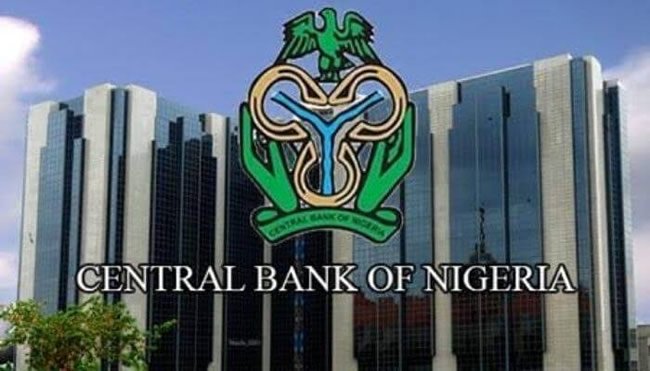
On Friday, the Central Bank of Nigeria (CBN) urged bank customers to report any issues they encounter when attempting to withdraw cash from bank branches or ATMs starting from December 1.
CBN Governor, Olayemi Cardoso, made the announcement during the 2024 Annual Bankers’ Dinner in Lagos, an event organized by the Chartered Institute of Bankers of Nigeria (CIBN).
He encouraged customers to submit their complaints using designated phone numbers and email addresses specific to their states.
Cardoso, who was honored with a fellowship from the CIBN, emphasized that the guidelines for reporting issues would be widely circulated to raise public awareness.
Additionally, he called for strict regulatory compliance from all stakeholders, including Mobile Money Operators and PoS Agents, to enhance digital transaction channels and improve overall service delivery.
“We also recognize the ongoing challenges with cash availability at ATMs, which disproportionately affect ordinary Nigerians.
“To address this, we are conducting spot checks across Deposit Money Banks (DMBs) and will impose penalties on underperforming institutions.
“Effective December 1, 2024, customers are encouraged to report any difficulties withdrawing cash from bank branches or ATMs directly to the CBN through designated phone numbers and email addresses for their respective states.
“I repeat, financial institutions found engaging in malpractices or deliberate sabotage will face stringent penalties,” he said.
According to the CBN Governor, the Central Bank of Nigeria (CBN) will continue to maintain a strong cash buffer to meet the country’s needs, especially during high-demand periods like the festive season and year-end.
The Governor emphasized that the focus is on ensuring smooth cash flow for Nigerians while also fostering trust and stability in the financial system.
He outlined the Payment System Vision 2025 initiative, which aims to further strengthen confidence in the nation’s payment infrastructure.
He reassured that by 2025, payment gateways will see significant improvements, particularly in addressing delays in financial transactions.
Cardoso highlighted that trust is crucial for the growth of digital transactions and stressed that the CBN must take every necessary step to maintain that trust in payment systems.
He noted that delays in transactions disproportionately impact vulnerable groups and assured that the CBN would impose penalties on institutions that fail to comply with regulations, ensuring quick redress and safeguarding consumer confidence.
Looking ahead to 2025, Cardoso revealed that the CBN would prioritize several key initiatives, including the implementation of an open banking framework, the advancement of contactless payment systems, and the expansion of its regulatory sandbox.
“Additionally, we will issue revised guidelines for agency banking and continue to strengthen electronic payment channels”.
He also revealed that Nigeria is set to exit the Financial Action Task Force (FATF) grey list by the second quarter of 2025, while outlining plans for strengthening enforcement against money laundering, cybercrime, fraud, corruption, and other financial crimes.
Professor Pius Deji Olanrewaju, President/Chairman of the Chartered Institute of Bankers of Nigeria (CIBN), stated that 2024 had been a significant year for both the banking sector and the broader economy.
He noted that the policies and regulations introduced by the central bank and the federal government have started to show positive results.
“For example, the Nigerian economy continues to be more resilient and agile as shown in the steady growth from 2.98 per cent in Q1 to 3.19 per cent in Q2 and now 3.46 per cent in Q3 of 2024.
“Likewise, the Nigerian banking industry has also shown resilience this year despite the macroeconomic pressures such as rising inflation, and exchange rate fluctuations, amongst others.
“The bank recapitalization exercise also attests to the fact that we are well on our way towards not only strengthening the financial sector but also supporting a $1 trillion economy envisaged by 2030,” he said.
Dr. Ibrahim Stevens, the Governor of the Central Bank of Sierra Leone, also commended the efforts of the CIBN and Nigeria’s central bank, highlighting their positive impact both in Africa and globally.
He emphasized the importance of collaboration in fostering a robust financial ecosystem.
For More Information And News Update, Join Informant Online WhatsApp Channel With Link Below:





 https://whatsapp.com/channel/0029VaihFajBadmT29ufud2Z




No Comments