

🎧
Listen to this article
As Nigerians celebrate the Workers’ Day public holiday, cooking gas prices continue to reflect a period of high volatility.
According to recent data from the National Bureau of Statistics (NBS), households are facing a sharp month-on-month increase of over 15% for the larger cylinders, driven by global energy market instability and local supply chain pressures.
National Average Refill Prices
The national retail average currently sits at approximately ₦1,531.14 per kg. Depending on your location and the type of outlet you visit, these are the expected rates for the most common cylinder sizes today:
-
5kg Cylinder: ₦7,655.73
-
12.5kg Cylinder: ₦19,652.83
Where to Buy Below ₦1,500 Per KG
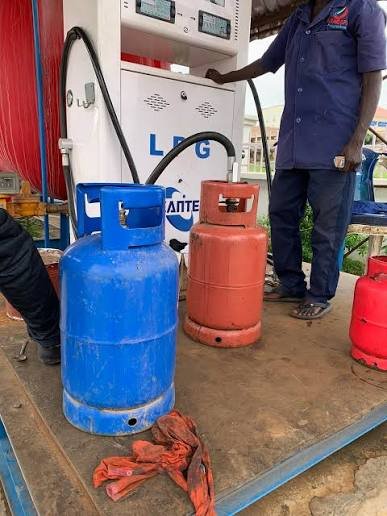
While neighborhood retailers and street-side gas stands often charge premium rates between ₦1,550 and ₦1,700 per kg, you can typically find prices between ₦1,250 and ₦1,450 per kg at the following locations:
-
Major Gas Plants: Large-scale integrated facilities like NIPCO, Techno Gas, and Gasland buy in massive bulk and offer the lowest prices to the public.
-
Filling Stations with Gas Skids: Major petroleum outlets such as Rainoil, Bovas, and Mobil often have dedicated LPG sections with prices lower than small retail shops.
-
Industrial Depots: Integrated refilling centers located in industrial layouts or on the outskirts of major cities.
Regional Price Snapshot
Prices vary significantly by state, with the North-West and North-East often recording higher averages due to transportation costs.
-
Highest Average Prices (12.5kg):
-
Nasarawa: ₦23,418.12
-
Kaduna: ₦23,030.52
-
Akwa Ibom: ₦22,816.74
-
-
Lowest Average Prices (12.5kg):
-
Bauchi: ₦15,738.50
-
Osun: ₦16,143.38
-
Ondo: ₦16,495.25
-
Why Prices Are High Today
Market analysts attribute the current spike to several factors:
-
Global Market Fluctuations: Geopolitical tensions in the Middle East have impacted international LPG benchmarks and shipping routes.
-
Regulatory Adjustments: A recent increase in the domestic gas base price to $2.18/MMBtu has trickled down to retail costs.
-
Logistics: High transportation and distribution costs continue to push prices upward, especially in northern regions.









No Comments