

🎧
Listen to this article
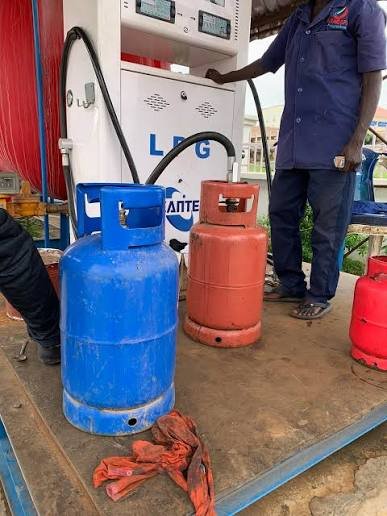
The retail price of Liquefied Petroleum Gas (LPG), widely known as cooking gas, has recorded a significant nationwide surge across major markets in Nigeria as of Friday, May 29, 2026.
Marketers report severe supply bottlenecks at wholesale depots, where the cost of 20 metric tonnes of LPG has climbed past ₦26 million.
This midstream squeeze, coupled with localized distribution costs and foreign exchange pressures, has triggered sharp retail price increases just following the Eid-el-Kabir holidays.
Current National Average Retail Rates
The average retail cost per kilogram has shifted upward by 25% to 50% over the last week:
-
Price Per Kilogram (1kg): Sells between ₦1,500 and ₦1,800 on average, with some outlying border regions approaching ₦2,000/kg.
-
5kg Cylinder Refill: Averages between ₦7,600 and ₦9,200.
-
12.5kg Cylinder Refill: Averages between ₦18,750 and ₦23,400.
Regional Price Disparities
Due to logistics expenses and proximity to coastal importing terminals or supply depots, cooking gas prices continue to vary widely by geopolitical zone:
-
The North (North-West & North-East): Experiences the highest average retail rates. States like Nasarawa and Kaduna report some of the steepest costs nationwide, with 12.5kg refills hitting between ₦23,000 and ₦23,418, driven by long-distance road haulage expenses from southern depots. Conversely, Bauchi State records some of the lower regional rates, averaging roughly ₦15,738 for a 12.5kg refill.
-
South-West: In major commercial hubs like Lagos, Abeokuta, and Ibadan, a 12.5kg cylinder costs between ₦16,000 and ₦18,900. However, border communities within Ogun State have seen prices edge closer to the ₦2,000/kg mark due to localized retail updates.
-
South-South & South-East: Generally maintain the lowest entry points for gas refills due to direct maritime access to localized terminals. The average cost for a 12.5kg cylinder stays between ₦16,400 and ₦18,432 across states like Osun, Ondo, and specific eastern sectors.
Key Factors Behind the Sudden Increase
According to statements issued by the Nigerian Association of Liquefied Petroleum Gas Marketers (NALPGAM), the current price spike is driven by three main factors:
“The citizens of Nigeria have woken up to buy cooking gas, which should be a social item, at a prohibitive cost of over N1,500 per kg, while the marketers are made to pay as much as N25,200,000 or, depending on the location, N26,200,000 for 20 metric tonnes of cooking gas.”
-
Midstream Supply Shortages: Marketers point to inconsistent allocations at domestic coastal depots, which has pushed wholesale baseline prices up sharply.
-
Global Energy Crises: Geopolitical friction in the Middle East and ongoing instability around the Strait of Hormuz have impacted global liquefied natural gas (LNG) asset benchmarks. Because domestic LPG pricing models remain linked to international dollar benchmarks, global shocks hit local consumers directly.
-
Currency Invalidation: Shipping, depot handling fees, insurance, and specialized equipment maintenance remain heavily dependent on foreign exchange. A weaker Naira directly raises the landing cost of gas before it undergoes regional tracking and trucking.








No Comments