


🎧
Listen to this article
The International Monetary Fund (IMF) has strongly cautioned the Nigerian government against reintroducing broad petrol subsidies, advising policymakers instead to deploy targeted social safety cushions for vulnerable citizens as energy costs continue to climb.
According to the global financial institution, blanket fuel subsidies place severe strain on national reserves, predominantly benefit affluent demographics, and exacerbate fiscal deficits during periods of elevated borrowing costs.
Addressing delegates at a press conference on the Fiscal Monitor during the 2026 IMF/World Bank Annual Meetings in Bangkok, Rodrigo Valdés, Director of the IMF’s Fiscal Affairs Department, highlighted the long-term economic risks associated with price suppression mechanisms.
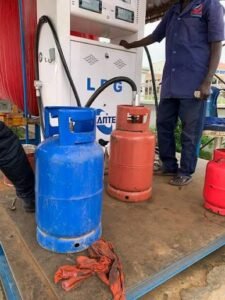
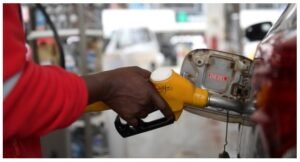
Responding to queries regarding the Fund’s advocacy for market-reflective fuel pricing amid rising transport costs, inflationary spikes, and poverty risks ahead of Nigeria’s upcoming election cycle, Valdés emphasized a clear policy distinction.
“Protecting people is not the same as protecting the price of fuels,” Valdés stated.
He noted that maintaining unadjusted fuel prices or attempting to insulate citizens from global energy shocks cost nations between 1 percent and 1.5 percent of their Gross Domestic Product (GDP) in 2026.
Rather than price caps, the Fund urged the Nigerian government to leverage verified household registries and social safety infrastructure to directly support low-income families.
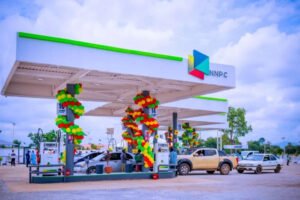
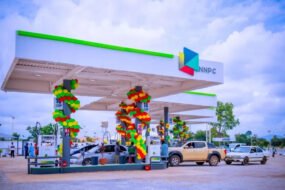
The warning comes in the wake of the Federal Government’s recently introduced 30-day discounted fuel initiative across Nigerian National Petroleum Company (NNPC) Limited retail outlets, tailored specifically to alleviate operational costs for public transport operators.





No Comments