

🎧
Listen to this article
As of Monday, July 13, 2026, the retail price of Liquefied Petroleum Gas (LPG) across Nigeria has shown signs of easing following recent government-led market interventions.
However, consumers are experiencing varied pricing depending on where they choose to refill their cylinders.
Where to Find Lower Prices
If you are looking to pay less, established gas plants are your best option. These facilities source products directly from major depots and utilize certified, automated weighing scales to ensure you receive the exact quantity you pay for.
-
Price Range: These plants currently dispense gas at ₦1,100 to ₦1,400 per kilogram.
-
Why it’s cheaper: Because these operators deal in high volumes and have direct supply lines, they can pass on savings to consumers, providing a significantly more affordable rate than smaller retailers.
Where You Will Pay More
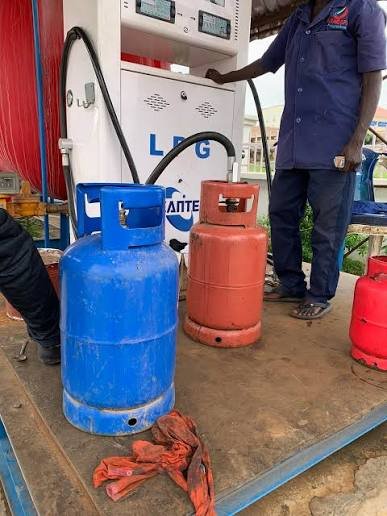
Conversely, roadside retailers (often referred to as “skid-mounted” vendors or neighborhood gas shops) are consistently more expensive. These retailers often act as secondary distributors, buying from larger plants or third-party suppliers and adding their own margins to cover localized logistics, high overheads, and the convenience of being located in residential areas.
-
Price Range: At these outlets, you can expect to pay between ₦1,500 and ₦1,800 per kilogram, with prices sometimes climbing above ₦1,800 in remote areas or regions far from coastal supply terminals.
-
Why it’s higher: You are essentially paying a premium for proximity and immediate convenience. Additionally, these outlets often lack the sophisticated, calibrated equipment found in major plants, which can sometimes lead to discrepancies in the quantity dispensed.
Regional Variations
It is important to note that even within these two categories, geography plays a major role in the final cost:
-
South-West (Lagos, Ibadan): Generally records the lowest prices due to proximity to major coastal storage terminals.
-
South-East/South-South (Onitsha, Benin, Port Harcourt): Prices are slightly higher than the South-West due to inland transportation costs.
-
North-East/North-West (Maiduguri, Kano): These regions consistently see the highest costs, as retailers must factor in significant long-haul logistics and distribution fees from the southern depots.
Consumer Advice
While the market is beginning to stabilize, industry experts continue to advise households to prioritize filling their cylinders at licensed gas plants. Not only is this more cost-effective, but it also reduces the risk of under-dispensing and ensures that your cylinders are handled by professionals with the necessary safety equipment. If you notice a station charging significantly above the standard plant rate without a clear justification, it is worth comparing prices at another nearby facility.








No Comments